
Knee injuries, particularly ligament sprains, are common among athletes and active individuals. Whether you’ve injured your knee through sports, exercise, or a sudden movement, Excellence Urgent Care provides quick, accurate diagnosis and treatment to get you back to full mobility. Our skilled healthcare team offers tailored treatment options that help reduce pain, restore function, and prevent further damage.
What is a Knee Ligament Sprain?
Understanding Your Knee Injury
A knee ligament sprain occurs when one or more of the ligaments in the knee are stretched or torn due to excessive force, twisting, or impact. The knee has four major ligaments:
• Anterior Cruciate Ligament (ACL): A key ligament that stabilizes the knee.
• Posterior Cruciate Ligament (PCL): Helps control backward movement of the tibia.
• Medial Collateral Ligament (MCL): Located on the inside of the knee.
• Lateral Collateral Ligament (LCL): Located on the outside of the knee.
Sprains range from mild (a slight stretch) to severe (complete tears), each requiring different levels of treatment.

Symptoms of a Knee Ligament Sprain
How to Identify a Ligament Sprain
Signs of a knee ligament sprain can include:
• Pain around the knee joint, especially during movement
• Swelling that develops soon after the injury
• Bruising around the knee area
• Instability or weakness in the knee, making it hard to bear weight
• Limited range of motion, such as difficulty bending or straightening the knee
If you experience any of these symptoms after a knee injury, seeking medical attention promptly can help prevent further damage.


Causes and Risk Factors of Knee Ligament Sprains
What Leads to a Knee Ligament Injury?
Knee ligament sprains are often caused by sudden or forceful movements, such as:
• Twisting or pivoting motions, common in sports like soccer or basketball
• Direct impact to the knee during falls or accidents
• Improper landing or jumping during athletic activities
• Weak or imbalanced muscles that don’t adequately support the knee
Certain factors, such as previous knee injuries or high-impact activities, can increase the risk of spraining a knee ligament.
How Is a Knee Ligament Sprain Diagnosed?
How Is a Knee Ligament Sprain Diagnosed?
At Excellence Urgent Care, diagnosing a knee ligament sprain involves:
1. Medical History: We review how the injury occurred and any symptoms.
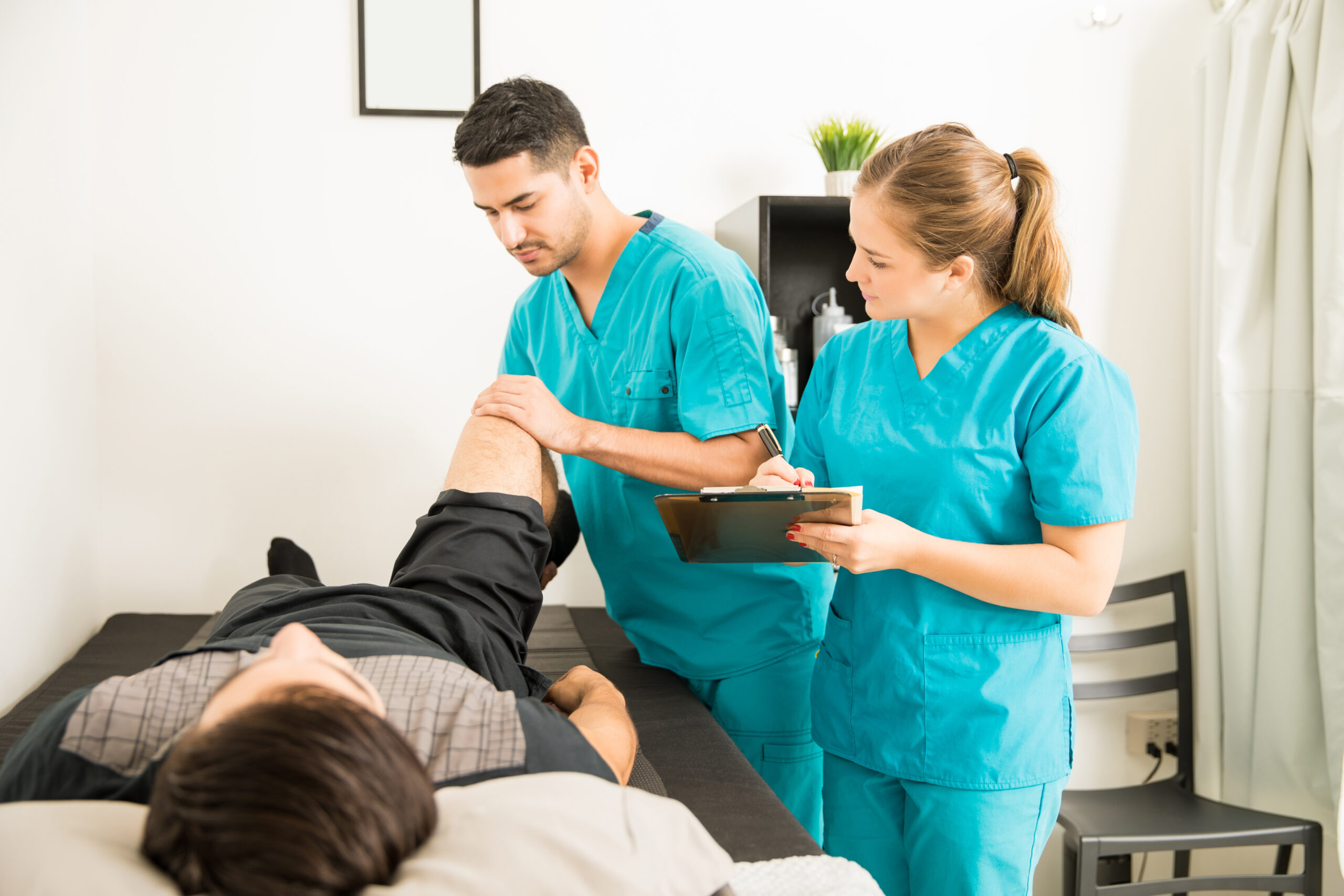
2. Physical Examination: Our healthcare provider will assess the knee’s stability, range of motion, and pain levels.
3. Imaging Tests: If needed, X-rays or an MRI scan may be performed to determine the extent of ligament damage and rule out fractures.
An accurate diagnosis ensures that the right treatment is prescribed, tailored to the severity of the sprain.
Treatment Options for Knee Ligament Sprains
Restore Function with the Right Treatment
Treatment for knee ligament sprains depends on the severity of the injury:
• R.I.C.E. Method (Rest, Ice, Compression, Elevation): For mild sprains, this initial treatment reduces swelling and pain.
• Pain Relief Medications: Over-the-counter medications like ibuprofen can help manage pain and inflammation.
• Physical Therapy: Rehabilitation exercises and stretches to strengthen the knee and improve range of motion.
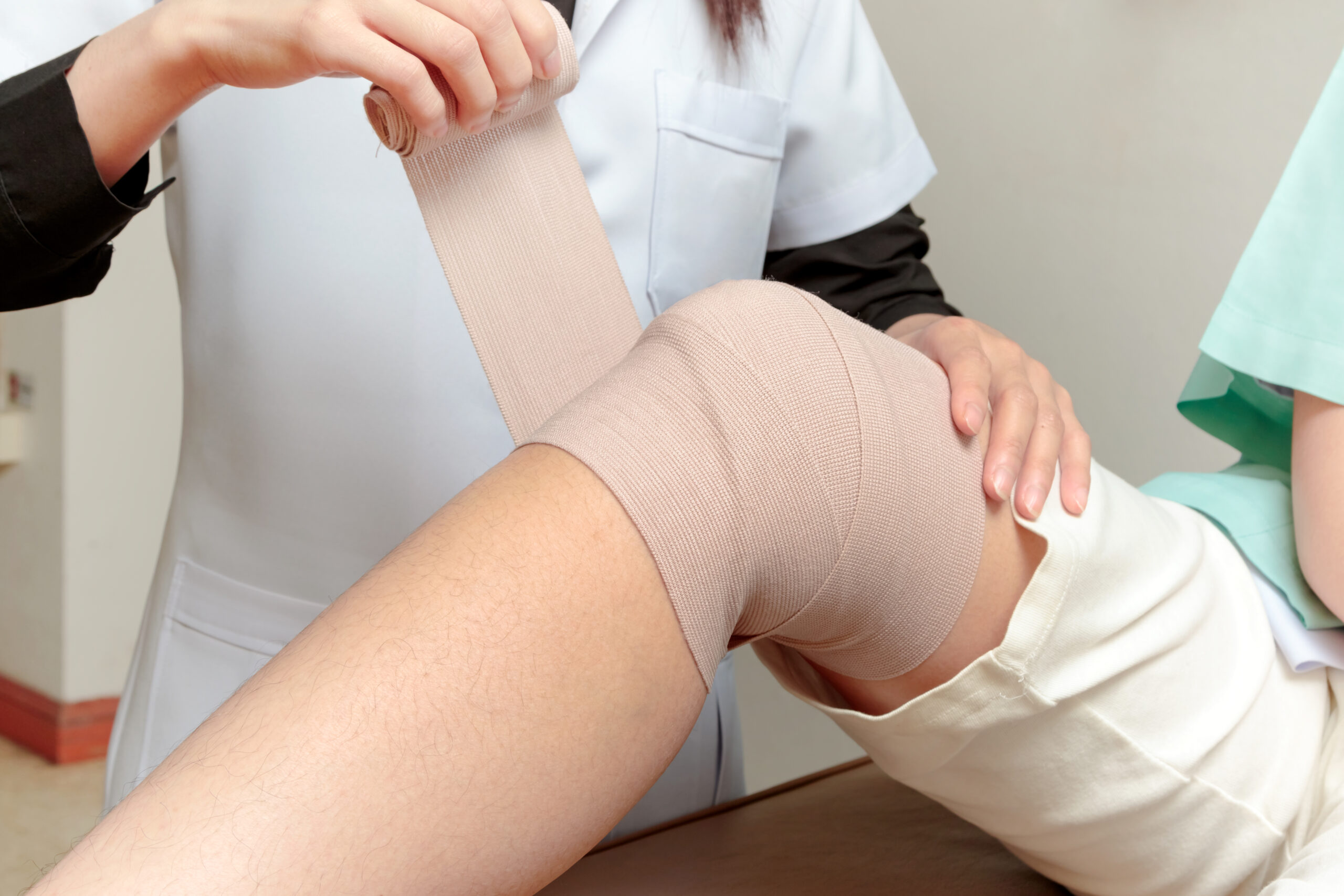
• Bracing or Taping: To support the knee while it heals, especially during physical activity.
• Surgical Intervention: In severe cases, particularly with torn ligaments like the ACL, surgery may be needed to repair the damage.
Our healthcare providers will determine the most effective treatment based on your individual condition.

Preventing Future Knee Injuries
How to Protect Your Knees Going Forward
Preventing future knee ligament sprains involves strengthening the knee and taking precautions during physical activities:
• Strengthen the muscles around the knee (quadriceps, hamstrings, and calf muscles).
• Stretch regularly to improve flexibility and range of motion.
• Use proper footwear for sports and exercise to support your knees.
• Wear knee braces or supports during high-risk activities to provide additional protection.
• Avoid sudden, jerky movements and give your body time to warm up before engaging in physical activity.
With these preventive measures, you can reduce the risk of reinjury and keep your knees healthy.
When to Seek Emergency Care
Recognizing Severe Symptoms of a Knee Injury
Some knee ligament sprains may involve severe injuries that require urgent care. Seek emergency medical help if:
• You cannot move or straighten your knee.
• The knee appears deformed or out of alignment.
• You experience severe pain that cannot be managed with over-the-counter medications.
• Numbness or tingling is felt in the leg or foot.
Prompt care can help prevent further complications and ensure the best recovery.
• Experienced medical professionals
• Fast service with minimal wait time
• Modern and clean medical facility
• Convenient Long Beach location
• Patient-focused approach
Why Choose Excellence Urgent Care
Why Patients Trust Excellence Urgent Care
Patients choose Excellence Urgent Care for dependable and compassionate medical care. Our experienced providers focus on accurate diagnosis, effective treatment, and patient comfort. We offer fast service, modern facilities, and convenient access to care.
Why Excellence Urgent Care?
Fast Evaluation. Precise Diagnosis. Supportive Care.
Frequently Asked Questions (FAQ's)
Recovery time depends on the severity of the sprain. Mild sprains may take a few weeks, while more severe sprains can take several months to heal fully.
Surgery is typically only needed for severe ligament tears (like an ACL tear). Most mild to moderate sprains can heal with non-surgical treatments.
It is important to rest the injured knee to avoid further damage. Your healthcare provider will advise when it’s safe to resume physical activity.

Get Fast and Expert Treatment for Your Knee Injury
Visit Excellence Urgent Care for professional care.
If you’ve experienced a knee injury or ligament sprain, don’t wait—book an appointment with Excellence Urgent Care today. Our experienced team is here to provide the right diagnosis and treatment to help you heal quickly and get back to your normal activities.
(866) 624-4824