
Insect and tick bites can cause significant discomfort and, in some cases, lead to severe reactions or infections. Whether you’ve been bitten by a mosquito, tick, or other insects, Excellence Urgent Care offers prompt treatment to help reduce symptoms, prevent complications, and ensure a quick recovery. Our skilled healthcare providers are here to offer personalized care based on your needs.
What Are Insect and Tick Bites?
Understanding the Risks of Insect and Tick Bites
Insect and tick bites occur when these pests latch onto the skin and bite, usually to feed on blood. While many bites cause mild irritation, others can transmit diseases such as Lyme disease (from ticks), West Nile virus, or Zika virus. The severity of the reaction depends on the type of insect or tick, as well as the individual’s sensitivity to the bite.
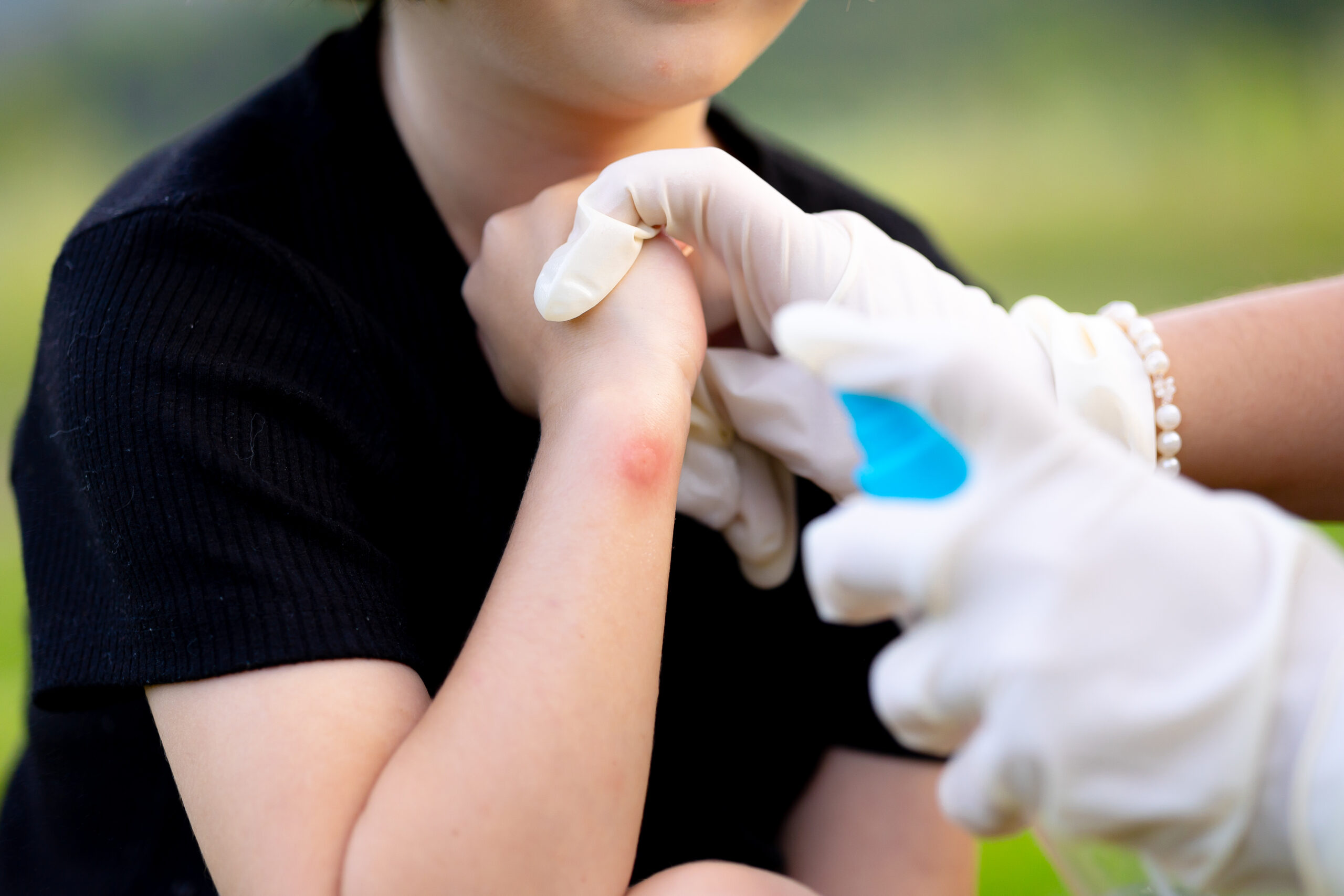
Symptoms of Insect and Tick Bites
How to Recognize a Reaction to a Bite
Symptoms of insect or tick bites can vary depending on the type of bite and the individual’s immune response. Common symptoms include:
• Redness and swelling at the site of the bite
• Itching or a rash
• Pain or tenderness
• Blisters or fluid-filled bumps
• Flu-like symptoms in severe cases, such as fever, chills, and fatigue (especially in tick bites)
If you experience any of these symptoms, especially with signs of infection or if symptoms worsen, seek medical care promptly.


Common Causes of Insect and Tick Bites
What Types of Insects and Ticks Cause Reactions?
Common insects and ticks that can cause reactions include:
• Mosquitoes: Known for itchy bites, mosquitoes can carry diseases like Zika virus and West Nile virus.
• Ticks: Responsible for diseases like Lyme disease and Rocky Mountain spotted fever.
• Fleas: Often cause itchy bites, particularly for individuals with flea allergies.
• Bedbugs: Lead to small, red welts that are often itchy.
• Ants and Bees: Can cause painful reactions, with some species being venomous.
Understanding the type of bite is crucial for appropriate treatment and to avoid further complications.
Diagnosis of Insect and Tick Bite Reactions
How We Diagnose and Treat Bite Reactions
To effectively treat insect and tick bites, we first need to identify the type of bite and evaluate any symptoms. Our process includes:
1. Medical History: Discussing the environment where the bite occurred and symptoms.
2. Physical Examination: Examining the bite area for signs of infection or severe reactions.
3. Diagnostic Tests: If a tick bite is suspected, we may conduct tests to check for Lyme disease or other tick-borne illnesses.
Prompt diagnosis ensures that the proper treatment is administered quickly, especially when managing tick-related diseases.
Treatment for Insect and Tick Bites
Effective Treatment Options for Bite Reactions
Treatment for insect and tick bites typically involves:
• Antihistamines to reduce itching and swelling
• Topical corticosteroids to relieve inflammation
• Pain relievers like ibuprofen or acetaminophen for discomfort
• Antibiotics for infected bites
• Tick removal with specialized tools if necessary (to prevent tick-borne diseases)
In some cases, if the reaction is severe or if symptoms indicate a possible infection, further medical intervention or testing may be required.

When to Seek Emergency Care
Recognizing Severe Reactions to Bites
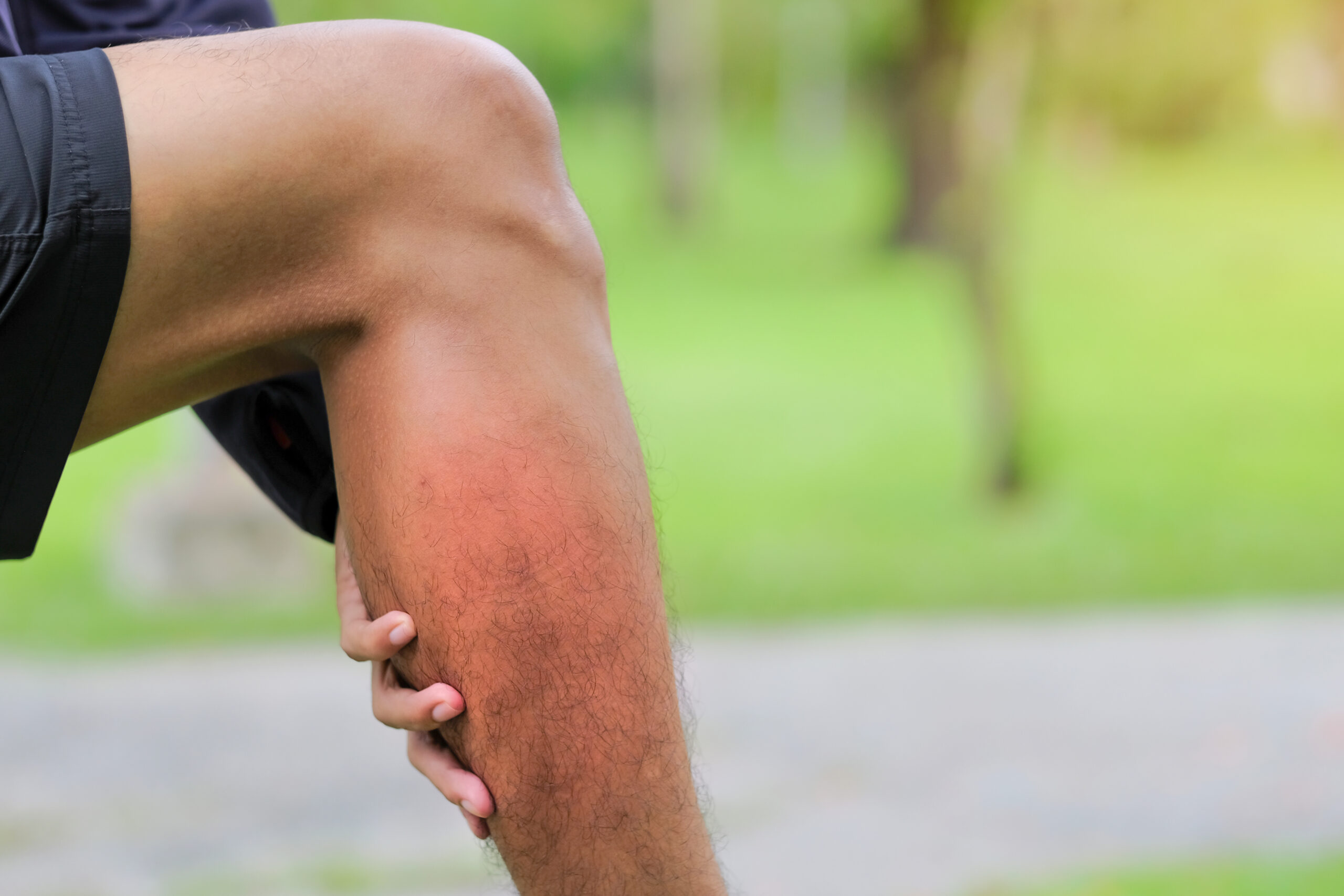
While most insect and tick bites are mild, some can lead to more serious conditions. Seek emergency care if you experience:
• Severe swelling or difficulty breathing
• Fever, chills, or flu-like symptoms after a tick bite
• Infection signs, such as pus, increased redness, or warmth at the bite site
• Nausea or vomiting after a bite
These symptoms may indicate a more serious infection or tick-borne illness, and prompt treatment is essential.
Preventing Insect and Tick Bites
How to Avoid Being Bitten
Preventing insect and tick bites involves taking precautions when spending time outdoors:
• Use insect repellents containing DEET or other recommended ingredients.
• Wear protective clothing such as long sleeves and pants, especially when in wooded or grassy areas.
• Check for ticks after outdoor activities, particularly in areas like the groin, armpits, and scalp.
• Avoid areas with dense vegetation where ticks are more likely to be found.
• Seal cracks and holes in your home to prevent entry of insects like bedbugs.
Taking these simple steps can significantly reduce your risk of bites and related health issues.

• Experienced medical professionals
• Fast service with minimal wait time
• Modern and clean medical facility
• Convenient Long Beach location
• Patient-focused approach
Why Choose Excellence Urgent Care
Why Patients Trust Excellence Urgent Care
Patients choose Excellence Urgent Care for dependable and compassionate medical care. Our experienced providers focus on accurate diagnosis, effective treatment, and patient comfort. We offer fast service, modern facilities, and convenient access to care.
Why Excellence Urgent Care?
Quick Relief from Bites. Careful Evaluation. Compassionate Treatment.
Frequently Asked Questions (FAQ's)
If a tick is embedded in your skin, use fine-tipped tweezers to grasp it as close to the skin’s surface as possible and pull upward with steady pressure. Clean the bite area and wash your hands thoroughly.
Symptoms of Lyme disease may appear within 3-30 days after a tick bite, but not all tick bites lead to Lyme disease. Look for a red circular rash around the bite site.
While most insect bites are harmless, certain types can transmit diseases or lead to allergic reactions. If symptoms worsen, seek medical attention.

Get the Right Care for Insect and Tick Bites
Visit Excellence Urgent Care for professional care.
If you’ve been bitten by an insect or tick and are experiencing symptoms, don’t wait—book your appointment today at Excellence Urgent Care. Our team is ready to provide fast and effective treatment to alleviate discomfort and prevent further complications. Let us help you get back to feeling your best.
(866) 624-4824